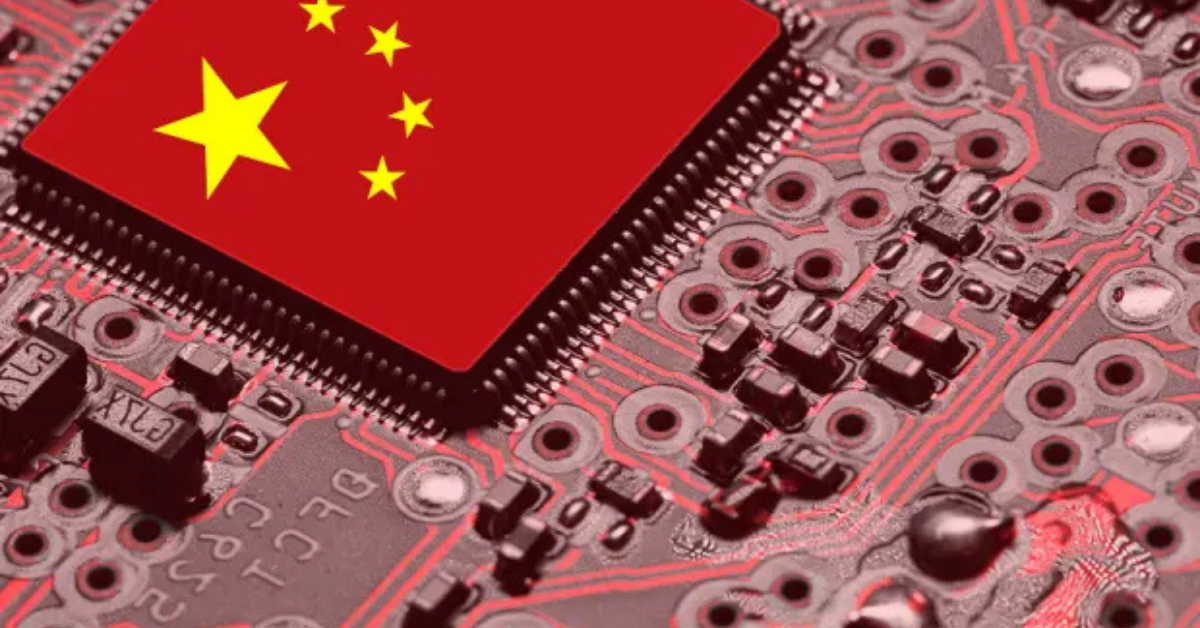
When people talk about global tech trends, the conversation often centers around Silicon Valley. But behind the scenes, another powerful engine is driving innovation at scale—China’s rapidly evolving technology ecosystem.
For everyday users, entrepreneurs, and digital businesses, this shift isn’t abstract. It’s already influencing how products are built, how services are delivered, and how quickly ideas turn into real-world applications.
A Different Approach to Innovation
China’s tech growth isn’t just about size—it’s about speed and integration.
Instead of building isolated tools, many Chinese companies focus on creating all-in-one ecosystems that combine multiple services into a single user experience.
For example:
- Tencent built WeChat, which combines messaging, payments, shopping, and services into one platform
- Alibaba Group connects commerce, logistics, and cloud infrastructure in a seamless flow
- Huawei continues to invest heavily in hardware and telecom infrastructure
This “everything-in-one-place” model is now influencing apps and platforms globally.
AI and Automation at Scale
One of the biggest drivers of China’s tech momentum is applied artificial intelligence.
Instead of focusing purely on research, many companies are deploying AI directly into:
- Customer service (chatbots and automation)
- Logistics optimization (faster delivery systems)
- Personalization engines (recommendations in real time)
Platforms like Baidu are heavily investing in AI models that power search, voice recognition, and automation tools used across industries.
The key difference? Speed of implementation. Features move from concept to large-scale usage faster than in many other markets.
Smart Manufacturing and Hardware Innovation
China is also redefining how physical products are built.
Factories are increasingly integrating:
- Robotics and automation
- Real-time production monitoring
- AI-driven quality control
This allows companies to iterate products faster, reduce costs, and scale production quickly.
Brands like Xiaomi have used this model to release new devices at aggressive price points while maintaining strong feature sets.
The Rise of Digital Payments and Fintech
Cashless systems have become deeply embedded in everyday life.
Platforms powered by companies like Ant Group have made mobile payments:
- Fast
- Frictionless
- Widely accepted
This has accelerated the adoption of:
- QR-based payments
- Peer-to-peer transfers
- Embedded finance within apps
For businesses, this means lower barriers to transactions and higher conversion potential—a trend now expanding globally.
What This Means for Digital Entrepreneurs
For marketers, founders, and affiliate operators, there are clear takeaways:
1. Speed Wins
Chinese platforms test, launch, and iterate quickly. The same mindset applies to high-performing campaigns—launch fast, optimize faster.
2. Ecosystems Convert Better
Instead of sending users across multiple steps, integrating flows (content → action → conversion) can significantly improve performance.
3. Mobile-First Is Non-Negotiable
Most innovations are designed for mobile users first, not adapted later.
A Growing Influence on Global Tech
China’s technology landscape is no longer isolated—it’s influencing:
- App design patterns
- E-commerce flows
- Payment experiences
- AI adoption strategies
Many features that feel “new” in Western apps have already been tested and scaled in China.
Final Thought
China’s tech ecosystem isn’t just growing—it’s experimenting at scale.
For anyone building products, running campaigns, or looking for the next edge, it’s less about copying and more about understanding the patterns:
- Integration over fragmentation
- Speed over perfection
- User flow over features
Those who adapt early often gain the advantage.
This article is for informational purposes only and does not constitute business, financial, or investment advice. Always conduct your own research before making decisions.