Europe Continues Struggling to Balance Security, Humanitarian Concerns, and Political Pressure
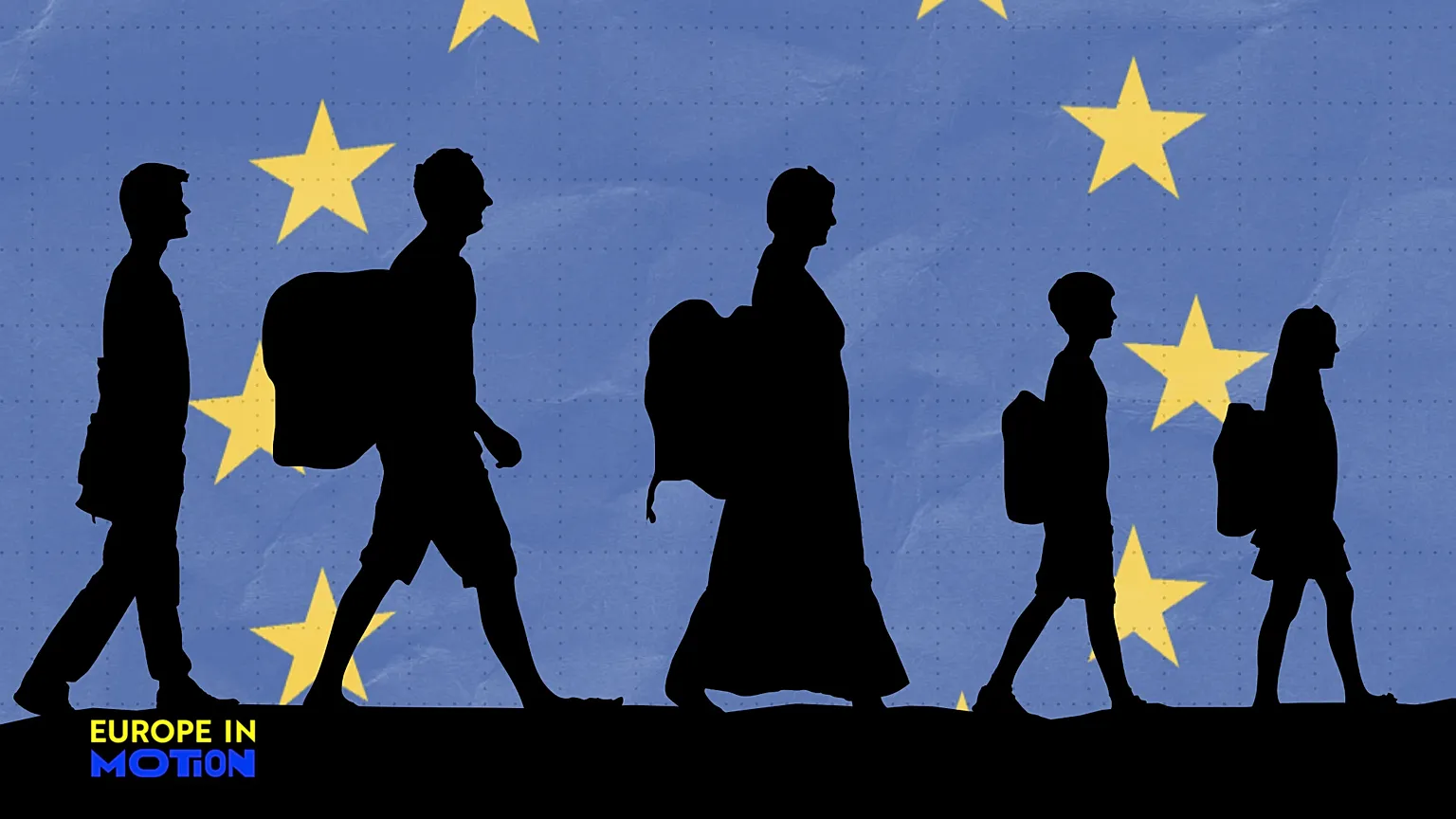
Migration remains one of the most controversial and emotionally charged issues inside the European Union.
As European governments continue debating border security, asylum policies, and responsibility sharing, tensions between EU member states are becoming increasingly visible. What began as a humanitarian and logistical challenge has evolved into a broader political, economic, and social conflict affecting the future direction of Europe itself.
Across the continent, leaders are struggling to find common ground.
Why Migration Has Become Such a Divisive Issue
Over the past decade, Europe has experienced multiple waves of migration caused by wars, political instability, economic hardship, and humanitarian crises in different parts of the world.
Countries located along Europe’s external borders — especially Italy, Greece, and Spain — have often faced the largest number of arrivals. These nations repeatedly argue that they are carrying a disproportionate burden while other EU members contribute less to managing the situation.
At the same time, several governments in Central and Eastern Europe have opposed mandatory migrant relocation systems proposed by Brussels, insisting that immigration policy should remain under national control.
This disagreement continues creating friction inside the European Union.
Different Visions for Europe’s Future
The migration debate reflects deeper political differences between European countries.
Some governments support more coordinated humanitarian policies and believe Europe has a moral responsibility to help people fleeing conflict and instability.
Others prioritize:
- Stronger border security
- National sovereignty
- Stricter asylum procedures
- Faster deportation systems
- Reduced migration levels
These opposing approaches have made it increasingly difficult for EU leaders to create a unified migration strategy acceptable to all member states.
Public Anxiety Is Growing
Migration has also become one of the most influential political issues among ordinary Europeans.
Across several countries, citizens are expressing concerns about:
- Housing shortages
- Pressure on social services
- Rising living costs
- Integration challenges
- Security issues
- Labor market competition
Support for political parties advocating tougher migration policies has increased in multiple European nations, reflecting broader public frustration and uncertainty.
At the same time, humanitarian organizations continue warning that Europe must respect international obligations and protect vulnerable people seeking asylum.
The issue has become deeply emotional on all sides.
Economic Pressure Is Increasing the Tensions
Europe’s broader economic difficulties are making the migration debate even more sensitive.
Inflation, slower economic growth, energy costs, and pressure on public budgets have created additional anxiety among governments and citizens alike.
Some economists argue that migration can help address labor shortages in aging European economies. Others warn that rapid migration without effective integration can place additional strain on housing, healthcare, education, and welfare systems.
As economic uncertainty grows, migration policy is becoming even more politically explosive.
Border Security Is Becoming a Priority Across Europe
In response to growing pressure, several European governments are tightening border controls and increasing investment in migration management infrastructure.
Discussions in Brussels increasingly focus on:
- External border protection
- Faster asylum processing
- Cooperation with non-EU countries
- Deportation mechanisms
- New migration agreements
European officials are attempting to reduce irregular migration while preventing further political divisions inside the union.
However, reaching consensus remains extremely difficult.
The Debate Is Far From Over
Migration is no longer simply a temporary crisis for Europe — it has become a long-term political and societal challenge that may shape the future of the European Union for years to come.
For some Europeans, migration represents humanitarian responsibility and international solidarity.
For others, it symbolizes concerns about economic pressure, cultural integration, security, and national identity.
As global instability, armed conflicts, and economic uncertainty continue affecting migration flows worldwide, many analysts believe the debate inside Europe will only intensify further.
What happens next could influence not only EU migration policy, but also Europe’s political balance, economic future, and social cohesion in the years ahead.